Hidden GPS Tracker Installation Tips for Cars: A Complete Guide
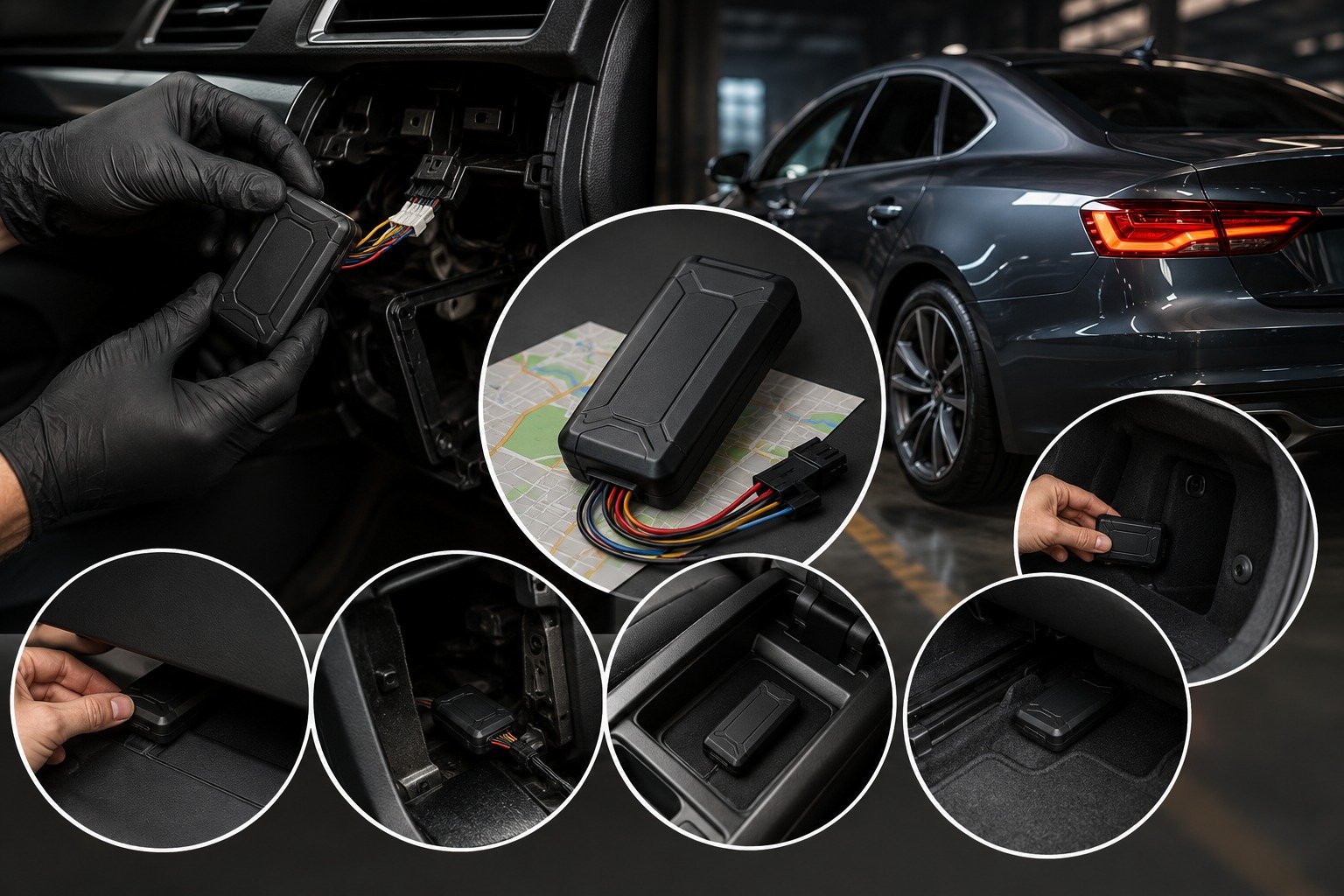
Installing a hidden GPS tracker is one of the most effective ways to improve vehicle security, recover a stolen car, monitor fleet vehicles, and satisfy insurance requirements. However, the effectiveness of a tracker depends just as much on where and how it is installed as the tracker itself.
A poorly positioned GPS tracker can suffer from weak signal reception, unreliable reporting, accidental disconnection, or even easy discovery by thieves. Professional installation ensures the device remains concealed while maintaining strong GPS and mobile network connectivity.
At OJB Autocare, we professionally install insurance-approved GPS tracking systems for cars, vans, motorhomes, commercial vehicles, and fleet vehicles across Yorkshire, ensuring every installation is discreet, reliable, and built for long-term performance.
Why Hidden GPS
Tracker
Installation
Matters
A GPS tracker that is visible offers limited protection. Experienced thieves often inspect common mounting points and disconnect obvious tracking devices within minutes.
A properly concealed tracker offers several advantages:
Makes vehicle recovery significantly easier after theft
Prevents criminals from quickly locating the device
Maintains uninterrupted GPS tracking
Protects wiring from accidental damage
Meets many insurer installation requirements
Provides long-term reliability with minimal maintenance
Professional installation focuses on balancing concealment with reliable GPS and GSM signal strength.
Understanding
Different Types
of Hidden GPS
Trackers
Not every GPS tracker installs the same way. Choosing the correct installation method depends on your vehicle, security requirements, and intended use.
Hardwired GPS Trackers
Hardwired trackers connect directly into the vehicle's electrical system.
Benefits include:
Continuous power supply
No charging required
Excellent for daily drivers
Ideal for insurance-approved tracking
Difficult for thieves to remove
These are commonly fitted to:
Cars
Vans
HGVs
Campervans
Fleet vehicles
Battery-Powered GPS
Trackers
Battery-operated trackers are self-contained units that do not require vehicle wiring.
Advantages include:
Flexible placement
Easy installation
Portable between vehicles
Useful for temporary tracking
However, batteries require periodic charging or replacement.
OBD GPS Trackers
OBD trackers plug directly into the vehicle's onboard diagnostic port.
Benefits include:
Quick installation
No wiring modifications
Easy removal
Suitable for personal vehicles
The downside is that they are usually visible and easier to remove than hidden hardwired systems.
Best Hidden
Locations for
GPS Tracker
Installation
Choosing the correct location is one of the most important parts of a successful installation.
Professional installers consider:
GPS signal quality
Mobile network coverage
Moisture protection
Heat exposure
Ease of maintenance
Concealment
Common installation areas include:
Behind Dashboard Panels
One of the safest and most popular locations.
Advantages:
Well concealed
Protected from weather
Easy access to vehicle power
Reliable signal reception
Inside Interior Trim Panels
Door trims, side panels, and rear quarter trims can provide discreet mounting positions while keeping the tracker hidden.
Beneath Centre Console
Components
Modern centre consoles often provide secure mounting locations without interfering with vehicle electronics.
Under Rear Parcel Shelf Areas
Some vehicles provide sufficient plastic trim beneath the rear shelf for discreet installation while maintaining excellent satellite reception.
Inside Boot Trim Panels
The luggage compartment often contains hidden cavities suitable for professional installation.
Installation Tips
That Improve
GPS
Performance
Simply hiding the tracker is not enough.
Professional installers also ensure optimal performance by following best practices.
Avoid Large Metal
Obstructions
Solid metal panels can reduce GPS signal strength.
The antenna should face areas where satellite signals remain accessible.
Secure All Wiring
Loose wiring may:
Cause intermittent power loss
Create rattling noises
Wear through insulation over time
Professional cable routing protects the installation for years.
Keep Away From Heat
Sources
Trackers should not be mounted directly beside:
Heater ducts
Engine components
Exhaust tunnels
High-temperature electrical modules
Excessive heat reduces component lifespan.
Protect Against Moisture
Condensation and water ingress can damage electronics.
Installers avoid locations exposed to water leaks or excessive humidity.
Maintain Service
Accessibility
Although concealed, the tracker should remain accessible for future servicing, firmware updates, or replacement if required.
Learn More: Layered Vehicle Security: Why Trackers and Immobilisers Work Better Together
Common GPS
Tracker
Installation
Mistakes
Many DIY installations experience problems because of avoidable errors.
Common mistakes include:
Choosing an Obvious
Location
Experienced vehicle thieves often inspect:
OBD ports
Glove boxes
Under-seat areas
Battery compartments
These locations offer minimal protection.
Poor Electrical Connections
Incorrect wiring may result in:
Flat batteries
Power interruptions
Tracker resets
Vehicle warning lights
Professional installations use manufacturer-approved wiring techniques.
Blocking GPS Reception
Mounting a tracker beneath heavy metal structures can significantly reduce location accuracy.
Ignoring Vehicle Electronics
Modern vehicles contain complex CAN Bus systems and sensitive electrical components.
Incorrect installation may interfere with vehicle diagnostics or electronic systems.
Hidden GPS
Tracker
Installation for
Insurance
Compliance
Many insurers now recommend or require professionally installed Thatcham-approved tracking systems, particularly for:
Performance vehicles
Prestige cars
Commercial vehicles
High-value vans
Motorhomes
Professional installation helps ensure:
Correct device configuration
Proper wiring
Insurance compliance
Reliable emergency alerts
Ongoing monitoring support where applicable
Choosing the
Right GPS
Tracker for Your
Vehicle
The ideal tracking solution depends on several factors:
Personal or business use
Insurance requirements
Vehicle value
Daily mileage
Fleet management needs
Remote immobilisation requirements
Mobile app functionality
Geofencing capabilities
A professional installer can recommend a system that matches both your security needs and budget.
Learn More: Fleet Vehicle Tracking: Benefits for Small Businesses
Why Choose OJB
Autocare for
Hidden GPS
Tracker
Installation?
At OJB Autocare, we specialise in discreet GPS tracker installations for private vehicles and commercial fleets. Our experienced technicians install high-quality tracking systems designed to deliver dependable performance without compromising your vehicle's interior or electrical systems.
Our installation service includes:
Professional hidden installation
Thatcham-approved tracker fitting
Car, van, campervan, and fleet installations
Mobile fitting at your home or workplace
Clean cable routing
Reliable GPS and GSM signal optimisation
Post-installation testing and setup
Friendly expert advice and ongoing support
Whether you need enhanced theft protection, insurance compliance, or real-time fleet visibility, OJB Autocare provides a secure and professional GPS tracker installation service you can trust.
Frequently Asked Questions
1. Where is the best place to hide a
GPS tracker in a car?
The best location depends on your vehicle, but common professional installation points include behind dashboard panels, inside trim panels, beneath the centre console, or within the boot trim where the tracker remains concealed while maintaining strong GPS signal reception.
2. Can a hidden GPS tracker lose
signal?
Yes. Thick metal components, incorrect mounting locations, or poor antenna positioning can reduce GPS performance. Professional installation helps maintain reliable satellite and mobile network connectivity.
3. Is hardwired GPS tracker
installation better than battery-
powered trackers?
Hardwired GPS trackers provide continuous power, require no charging, and are generally more secure because they are harder to locate and remove, making them ideal for long-term vehicle protection.
4. How long does hidden GPS tracker
installation take?
Most hidden GPS tracker installations take between 45 and 90 minutes, depending on the vehicle type, tracker model, and installation complexity.
5. Can GPS trackers be installed
without damaging my car?
Yes. Professional installers use vehicle-specific installation methods that avoid unnecessary drilling, protect factory wiring, and preserve your vehicle's interior.
6. Will a hidden GPS tracker drain my
vehicle battery?
Professionally installed trackers consume very little power and are designed to operate efficiently without significantly affecting your vehicle's battery under normal driving conditions.
7. Can thieves detect hidden GPS
trackers?
A properly concealed professionally installed tracker is much more difficult to locate than plug-in devices. Strategic placement significantly reduces the chance of quick detection.
8. Are hidden GPS trackers suitable
for fleet vehicles?
Yes. Hidden GPS trackers are widely used in commercial fleets to improve vehicle security, monitor driver activity, optimise routes, and support fleet management.
9. Do hidden GPS trackers work
across the UK?
Yes. Most modern GPS tracking systems operate nationwide using GPS satellites and mobile networks, providing real-time tracking throughout the UK where network coverage is available.
10. Why should I choose OJB Autocare
for GPS tracker installation?
OJB Autocare provides professional hidden GPS tracker installations with discreet placement, expert wiring, Thatcham-approved solutions, mobile fitting services, and thorough testing to ensure reliable performance and long-term vehicle security.